
Safe Techniques for Mould Removal from Fabrics
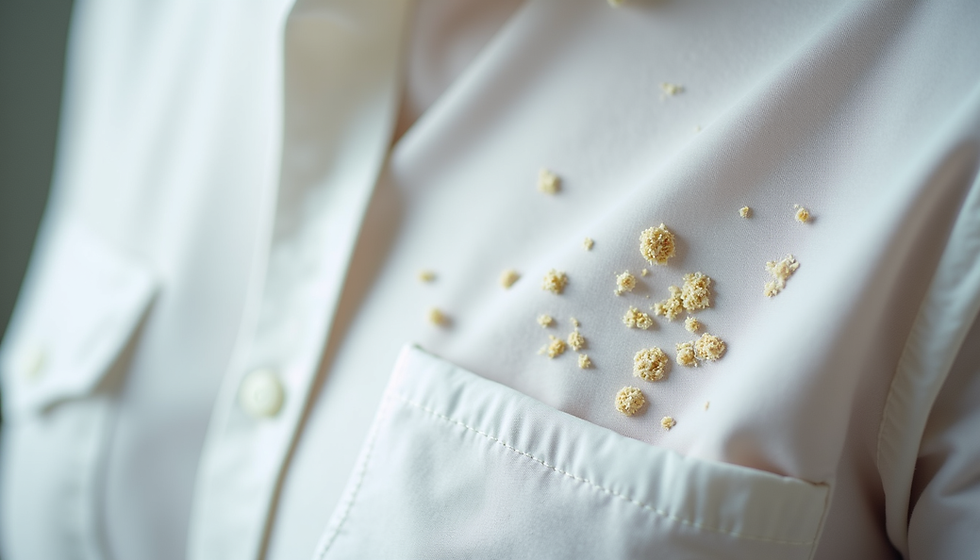
Mould on clothes is one of those pesky problems that can sneak up on you, especially in humid places like Singapore. You open your wardrobe, and bam - that musty smell hits you, and you spot those ugly green or black spots. Yuck! But don’t panic. Removing mould from clothes safely is totally doable, and I’m here to walk you through it with some friendly advice and practical tips.
Let’s dive into the world of mould removal from fabrics and get your clothes fresh and clean again.
Understanding Mould Removal from Fabrics
Before we jump into the cleaning, it’s good to know why mould loves your clothes in the first place. Mould thrives in damp, warm environments, and Singapore’s tropical climate is a perfect breeding ground. Clothes that stay damp for too long, or are stored in poorly ventilated spaces, become prime targets.
Mould doesn’t just look bad; it can damage the fabric fibers and cause health issues like allergies or respiratory problems. So, tackling mould early is crucial.
Here’s what you need to know about mould removal from fabrics:
Act fast: The longer mould sits, the harder it is to remove.
Avoid spreading spores: Mould spores can float around and settle on other clothes.
Use safe, effective cleaning methods: Harsh chemicals can damage your clothes or be unsafe for your family.
Now, let’s get into the nitty-gritty of how to handle mouldy clothes safely.

Safe and Effective Techniques to Remove Mould from Clothes
Ready to roll up your sleeves? Here are some tried-and-tested methods that work wonders without wrecking your favourite outfits.
1. Sunlight and Fresh Air
Nature’s own disinfectant! Sunlight kills mould spores and helps remove the musty smell. After brushing off any visible mould (more on that soon), hang your clothes outside on a sunny day. The UV rays and fresh air do a fantastic job.
Pro tip: Avoid drying clothes indoors in humid conditions, as this encourages mould growth.
2. Brushing Off Mould
Before washing, take your clothes outside and gently brush off the mould with a soft brush. This prevents spores from spreading inside your home. Be gentle to avoid damaging delicate fabrics.
3. Pre-Soaking in Vinegar Solution
White vinegar is a natural mould killer. Mix one part white vinegar with four parts water and soak your clothes for an hour. Vinegar breaks down mould and deodorizes fabric.
4. Washing with Hot Water and Detergent
After soaking, wash your clothes in the hottest water safe for the fabric. Use a good quality detergent that can tackle mould and odours. Check the care label to avoid shrinking or damaging your clothes.
5. Using Baking Soda
Add half a cup of baking soda to your wash cycle. It helps remove mould smells and brightens fabrics.
6. Hydrogen Peroxide for Stubborn Mould
For tough mould stains, apply a 3% hydrogen peroxide solution directly to the affected area. Let it sit for 10 minutes, then rinse and wash as usual. Test on a small hidden area first to ensure it doesn’t bleach the fabric.
7. Avoid Bleach on Delicate Fabrics
While bleach is effective against mould, it can damage coloured or delicate fabrics. Use it only on whites and with caution.
8. Dry Thoroughly
After washing, dry clothes completely in the sun or a well-ventilated area. Damp clothes are mould magnets.

Can mould on clothes be washed out?
This is the million-dollar question, isn’t it? The good news is yes, mould on clothes can usually be washed out if you act quickly and use the right methods. However, the success depends on several factors:
Type of fabric: Natural fibres like cotton and linen respond better to mould removal than synthetics.
Extent of mould growth: Light mould stains are easier to remove than heavy, ingrained mould.
Time elapsed: The sooner you treat mouldy clothes, the better the results.
If mould has been sitting on your clothes for a long time, some stains might be permanent, and the fabric could be weakened. In such cases, professional cleaning services might be your best bet.
Remember, prevention is key. Keep your clothes dry, store them in well-ventilated areas, and regularly check for any signs of mould.
Tips to Prevent Mould Growth on Clothes
Nobody wants to deal with mould again, right? Here are some simple habits to keep your wardrobe mould-free:
Dry clothes completely before storing: Don’t put damp clothes away.
Use moisture absorbers: Silica gel packs or charcoal bags in your wardrobe can help.
Improve ventilation: Open windows or use dehumidifiers in humid rooms.
Regularly clean your washing machine: Mould can grow inside machines and transfer to clothes.
Store clothes in breathable bags: Avoid plastic bags that trap moisture.
When to Call in the Experts
Sometimes, mould is just too stubborn or widespread. If you’re dealing with expensive or delicate garments, or if the mould smell won’t budge, professional laundry and dry cleaning services are worth considering.
The Laundry Club Singapore offers eco-friendly, high-quality cleaning that targets mould and odours without harsh chemicals. They use greener technologies that are safe for your clothes and the environment - a win-win!
If you want to learn more about how to remove mould from clothes, check out their detailed guide for extra tips and tricks.
Mould on clothes is annoying, but with the right approach, you can tackle it safely and effectively. Keep your wardrobe fresh, your fabrics intact, and your home healthy by following these simple steps. Happy cleaning!


Comments